Paediatric Electrical Stimulation
Using specialist electrical stimulation approaches to support muscle activation, movement, postural control and functional skills.
At Children’s Physio Dorset, electrical stimulation may be incorporated into physiotherapy sessions for children with neurological, developmental and neuromuscular needs.
Electrical stimulation uses small electrical impulses delivered through electrodes placed on the skin. These impulses can provide sensory input and encourage selected muscles to activate while a child practises purposeful movement.
Electrical stimulation is not used as a stand-alone treatment. It is carefully integrated into an individual physiotherapy programme and combined with active, functional activities based on your child’s needs and goals.
Our specialist approaches include Task-Specific Electrical Stimulation (TASES) and non-invasive spinal stimulation using the NISE-STIM approach.
What Can Electrical Stimulation Support?
Depending on the individual child, electrical stimulation may be used to support:
- Awareness and activation of selected muscles
- Muscle strength and endurance
- Postural control and alignment
- Balance and stability
- Upper-limb reaching and hand function
- Sitting, standing and transitional movements
- Walking and gait practice
- Foot clearance during walking
- Movement timing and coordination
- Active participation in functional tasks
- Sensory awareness and proprioceptive feedback
Task-Specific Electrical Stimulation (TASES)
Task-Specific Electrical Stimulation, known as TASES, is an active approach to electrical stimulation taught by Dr Mirav Newman, PT, DPT.
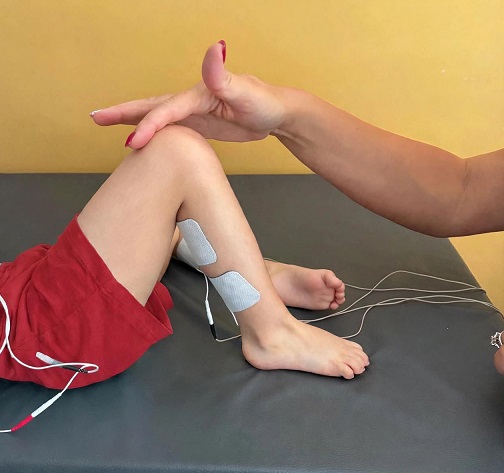
Electrodes are positioned over carefully selected muscles, and stimulation is used while the child actively practises a meaningful task. This may include sitting, standing, stepping, walking, reaching, grasping or moving between positions.
The aim is not simply to produce a muscle contraction. TASES combines electrical stimulation with repetition, appropriate alignment and active participation to help the child practise more effective movement patterns during motivating, age-appropriate activities.
TASES may be used to support:
- Muscle activation during functional movement
- Postural alignment
- Trunk control and stability
- Upper- and lower-limb function
- Standing and walking
- Gait pattern and foot clearance
- Reaching and grasping
- Task-specific strength and endurance
Non-Invasive Spinal Stimulation and NISE-STIM
Children’s Physio Dorset also offers non-invasive spinal stimulation using the NISE-STIM approach taught by Gerti Motavelli.
This approach involves placing surface electrodes over carefully selected areas of the spine and body. The stimulation provides sensory input to the nervous system and may be combined with active physiotherapy to support postural responses, muscle activation and functional movement.
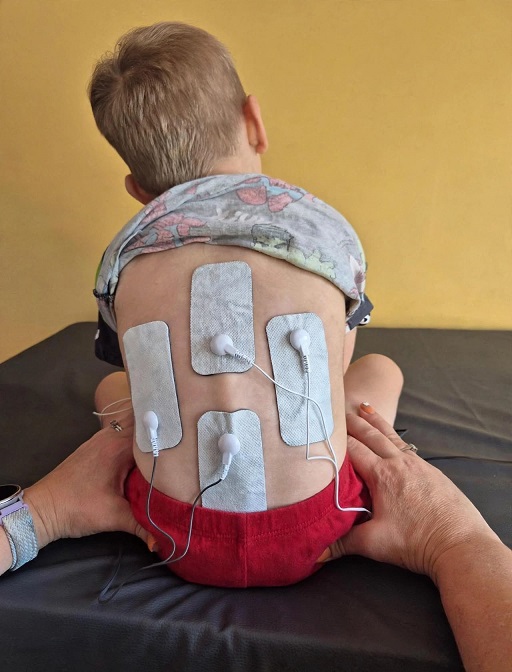
Spinal stimulation may be incorporated into activities such as:
- Head and trunk control
- Sitting and postural work
- Rolling and transitional movements
- Kneeling and standing
- Balance activities
- Stepping and walking practice
- Upper- and lower-limb strengthening
- Dynamic Movement Intervention exercises
- Functional play
The electrode placement, stimulation settings and activities are individually selected following assessment and adjusted according to the child’s presentation, tolerance and goals.
Our Specialist Approach
Electrical stimulation at Children’s Physio Dorset is always used alongside active physiotherapy. Children do not simply sit while the stimulation is applied; wherever possible, it is incorporated into purposeful movement and play.
A session may combine electrical stimulation with:
- Dynamic Movement Intervention (DMI)
- Functional strengthening
- Balance and postural control activities
- Standing and gait practice
- NeuroSuit therapy
- Whole body vibration
- Hydrotherapy
- Task-specific play
- A tailored home exercise programme
The techniques used will depend on the child. Some children may benefit from TASES, some from spinal stimulation, and others from a carefully planned combination of approaches.
Electrical Stimulation and DMI
Where appropriate, electrical stimulation may be combined with Dynamic Movement Intervention (DMI).
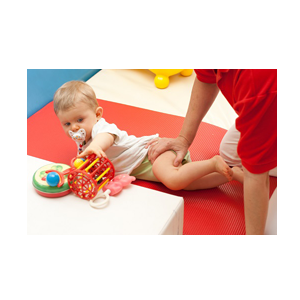
Electrical stimulation can provide additional sensory information and encourage selected muscles to activate while DMI challenges the child’s postural responses, balance, strength and gross motor skills.
These approaches are only combined where clinically appropriate and where doing so supports the child’s individual treatment goals.
Electrical Stimulation Within Intensive Therapy
Electrical stimulation may be used during regular physiotherapy appointments or incorporated into a bespoke intensive therapy programme.
Intensive programmes provide repeated opportunities to practise targeted movement skills over a concentrated period. Depending on the child’s needs, an intensive may include:
- Task-Specific Electrical Stimulation
- Non-invasive spinal stimulation
- Dynamic Movement Intervention
- NeuroSuit therapy
- Strength and balance work
- Standing and gait practice
- Whole body vibration
- Hydrotherapy
- A tailored home programme
Every intensive is individually planned around the child’s goals, stamina, tolerance and family availability.
Who May Benefit?
Electrical stimulation may be considered for babies, children and young people with difficulties affecting muscle activation, posture, strength or functional movement, including children with:
- Cerebral palsy
- Developmental delay
- Low muscle tone
- Spinal muscular atrophy and other neuromuscular conditions
- Paediatric stroke
- Acquired or traumatic brain injury
- Spinal cord injury
- Genetic or chromosomal conditions
- Foot drop
- Reduced postural control
- Muscle weakness
- Walking and balance difficulties
Is Electrical Stimulation Right for My Child?
Electrical stimulation is not required or appropriate for every child. A physiotherapy assessment will be completed before treatment begins.
This allows us to consider your child’s:
- Medical history
- Diagnosis and current presentation
- Skin and sensory needs
- Movement abilities
- Tolerance of electrical stimulation
- Functional goals
- Any precautions or contraindications
The intensity should feel comfortable and will be increased gradually according to your child’s response. Electrode placement, stimulation settings and activities will be reviewed throughout treatment.
Our Training
Electrical stimulation is provided by Maggie Dawson, Lead Specialist Paediatric Physiotherapist.
Maggie has completed advanced training in:
- Task-Specific Electrical Stimulation (TASES), including Level 2 training with Dr Mirav Newman
- Non-invasive spinal stimulation and the NISE-STIM approach with Gerti Motavelli
- Neuromuscular electrical stimulation (NMES)
- Functional electrical stimulation principles
- Dynamic Movement Intervention
- Specialist paediatric neurological rehabilitation
Maggie has over 18 years of paediatric physiotherapy experience and uses electrical stimulation as part of a broader, evidence-informed and goal-focused treatment programme.
What Happens at the First Appointment?
Your child will first receive a physiotherapy assessment to explore their movement, strength, posture, muscle activation and functional goals.
If electrical stimulation is considered appropriate, Maggie will explain:
- Which approach is being recommended
- Which muscles or areas will be targeted
- Where the electrodes will be placed
- How the stimulation should feel
- Which movements or activities will be practised
- How progress will be monitored
- Whether regular sessions or an intensive programme may be suitable
Parents are encouraged to ask questions and remain involved throughout the assessment and treatment process.
Interested in Finding Out More?
If you would like to discuss whether electrical stimulation may be appropriate for your child, please get in touch.
We would be happy to discuss your child’s needs and explain how TASES, non-invasive spinal stimulation or other electrical stimulation approaches could be incorporated into their wider physiotherapy programme.